In partnership with Prof. Stine Liv Johansen, Aarhus University. Launching September 2025.
The Trust Study: Digital Citizenship and Parent-Child Connection in Denmark
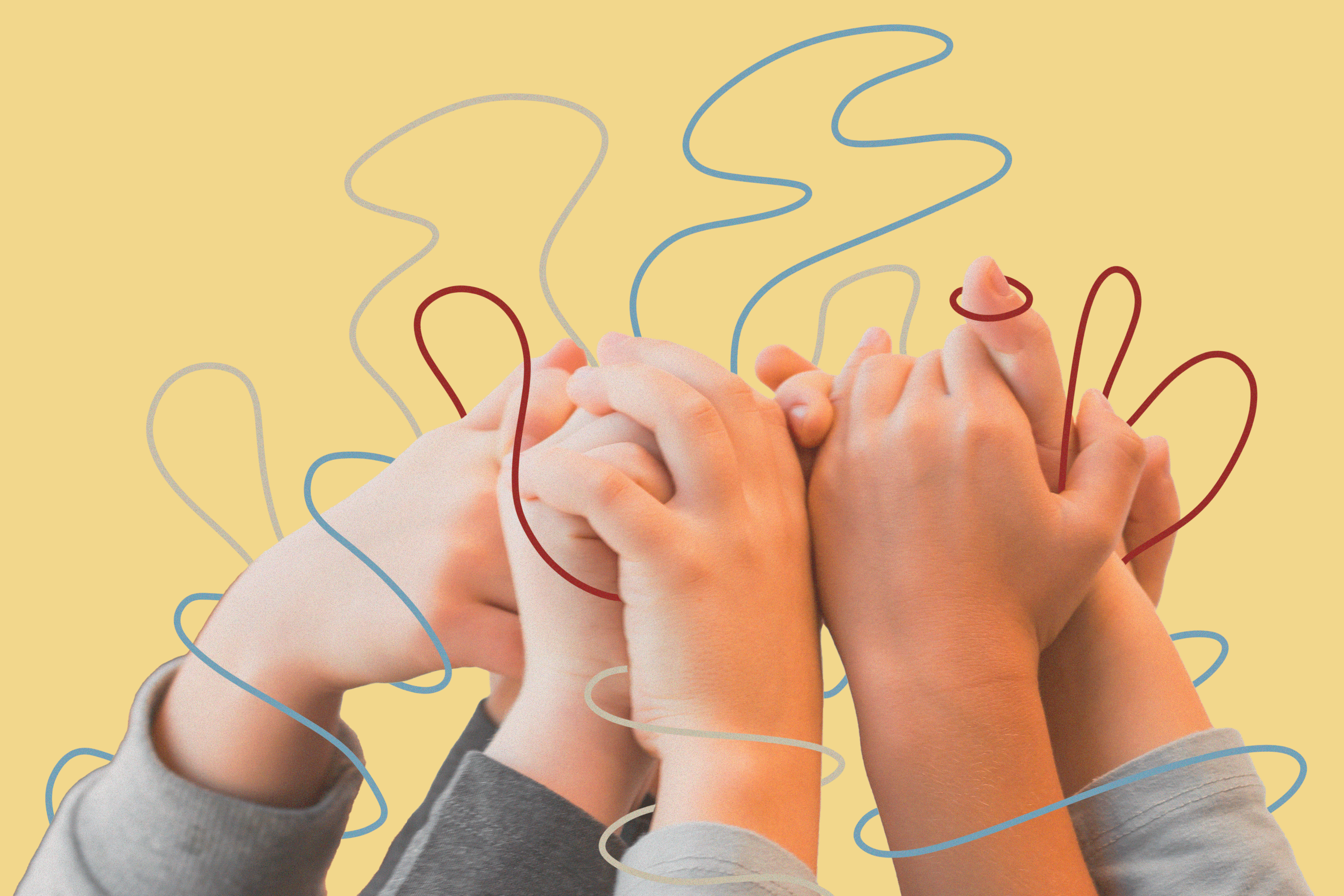
Digital Citizenship at Home
How do families navigate children's online lives? This research explores the role parents play in shaping their children's values, habits, and confidence in digital spaces.
Values-Based Conversations
Does having open, structured conversations about online values change the quality of the parent-child relationship? We are testing whether the C.A.R.E. methodology — Connect, Agree, Respect, Evolve — increases trust and connection at home.
Trust and Connection
We measure whether children who feel their parents engage with their digital lives without judgment or fear report higher levels of trust, openness, and wellbeing at home.
What Works
What practical approaches actually make a difference? This research aims to produce evidence-based guidance for parents, schools, and policymakers on how to raise digitally confident, empathetic, and protected children.
Digital Citizenship at Home
How do families navigate children's online lives? This research explores the role parents play in shaping their children's values, habits, and confidence in digital spaces.
Values-Based Conversations
Does having open, structured conversations about online values change the quality of the parent-child relationship? We are testing whether the C.A.R.E. methodology — Connect, Agree, Respect, Evolve — increases trust and connection at home.
Trust and Connection
We measure whether children who feel their parents engage with their digital lives without judgment or fear report higher levels of trust, openness, and wellbeing at home.
What Works
What practical approaches actually make a difference? This research aims to produce evidence-based guidance for parents, schools, and policymakers on how to raise digitally confident, empathetic, and protected children.
The Trust Study: Digital Citizenship and Parent-Child Connection in Denmark
Digital Citizenship at Home
How do families navigate children's online lives? This research explores the role parents play in shaping their children's values, habits, and confidence in digital spaces.
Values-Based Conversations
Does having open, structured conversations about online values change the quality of the parent-child relationship? We are testing whether the C.A.R.E. methodology — Connect, Agree, Respect, Evolve — increases trust and connection at home.
Trust and Connection
We measure whether children who feel their parents engage with their digital lives without judgment or fear report higher levels of trust, openness, and wellbeing at home.
What Works
What practical approaches actually make a difference? This research aims to produce evidence-based guidance for parents, schools, and policymakers on how to raise digitally confident, empathetic, and protected children.
The Trust Study: Digital Citizenship and Parent-Child Connection in Denmark
In partnership with the University of Perugia, Italy. A 5-year research project.
The Trust Study: A Cross-Cultural Perspective
Cross-Cultural Comparison
How do families in Denmark and Italy differ in their approach to children's digital lives? This cross-cultural study explores whether values-based parenting approaches have the same impact across different cultural contexts.
Values and Digital Wellbeing
Does a human-centered, empathy-based approach to digital citizenship produce measurable improvements in children's wellbeing and family connection — regardless of cultural background?
The Role of Schools
How do schools in Denmark and Italy support — or hinder — children's digital citizenship? We explore the role of educators in reinforcing the values children need to thrive online.
Building an International Methodology
The ultimate goal is to develop a validated, scalable methodology for raising digital citizens that can be applied across cultures, school systems, and communities worldwide.
Cross-Cultural Comparison
How do families in Denmark and Italy differ in their approach to children's digital lives? This cross-cultural study explores whether values-based parenting approaches have the same impact across different cultural contexts.
Values and Digital Wellbeing
Does a human-centered, empathy-based approach to digital citizenship produce measurable improvements in children's wellbeing and family connection — regardless of cultural background?
The Role of Schools
How do schools in Denmark and Italy support — or hinder — children's digital citizenship? We explore the role of educators in reinforcing the values children need to thrive online.
Building an International Methodology
The ultimate goal is to develop a validated, scalable methodology for raising digital citizens that can be applied across cultures, school systems, and communities worldwide.
The Trust Study: A Cross-Cultural Perspective
Cross-Cultural Comparison
How do families in Denmark and Italy differ in their approach to children's digital lives? This cross-cultural study explores whether values-based parenting approaches have the same impact across different cultural contexts.
Values and Digital Wellbeing
Does a human-centered, empathy-based approach to digital citizenship produce measurable improvements in children's wellbeing and family connection — regardless of cultural background?
The Role of Schools
How do schools in Denmark and Italy support — or hinder — children's digital citizenship? We explore the role of educators in reinforcing the values children need to thrive online.
Building an International Methodology
The ultimate goal is to develop a validated, scalable methodology for raising digital citizens that can be applied across cultures, school systems, and communities worldwide.
The Trust Study: A Cross-Cultural Perspective
The Danish Way Association, in partnership with Danish schools.
The Klassenstime Study: Can One Hour a Week Change a Child's World?
What is Klassenstime?
Klassenstime is a weekly Danish classroom tradition in which students and teachers come together to talk, listen, and resolve conflicts as a community. This research explores what makes it work — and why it matters more than ever.
Empathy and Belonging
Does regular klassenstime improve children's sense of belonging, empathy, and connection to their school community? We measure social and emotional outcomes across participating classrooms over a full school year.
Taking it Global
Denmark is not the only country where children need to feel heard. This research explores whether klassenstime can be successfully adapted for schools outside Denmark — and what it takes to make it work in different cultural contexts.
Student and Teacher Wellbeing
We look at whether klassenstime benefits not just students but teachers too — creating classrooms where everyone feels safer, more connected, and more motivated to show up.
What is Klassenstime?
Klassenstime is a weekly Danish classroom tradition in which students and teachers come together to talk, listen, and resolve conflicts as a community. This research explores what makes it work — and why it matters more than ever.
Empathy and Belonging
Does regular klassenstime improve children's sense of belonging, empathy, and connection to their school community? We measure social and emotional outcomes across participating classrooms over a full school year.
Taking it Global
Denmark is not the only country where children need to feel heard. This research explores whether klassenstime can be successfully adapted for schools outside Denmark — and what it takes to make it work in different cultural contexts.
Student and Teacher Wellbeing
We look at whether klassenstime benefits not just students but teachers too — creating classrooms where everyone feels safer, more connected, and more motivated to show up.
The Klassenstime Study: Can One Hour a Week Change a Child's World?
contact
Ready to Build a More
Valuable Future?
Take the first step towards your own global, digital world.
contact
Ready to Build a More
Valuable Future?
Take the first step towards your own global, digital world.
contact